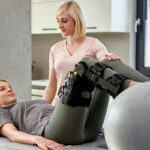



Why Your Glutes and Core Are the Powerhouse of Movement
Why Your Glutes & Core Are The Real Powerhouses
When most people think about getting stronger, they often picture biceps curls, bench presses, or cardio workouts. But if you ask a physical therapist where true strength and stability come from, the answer is simple: your glutes and core. These muscle groups don’t just help you look fit — they’re the foundation of nearly every movement you make, from standing up out of a chair to running a marathon.
At Prairie Rehabilitation, we often see how weak glutes or an underactive core contribute to pain, injury, or difficulty moving with confidence. Here’s why these muscles matter so much and how physical therapy can help keep them strong.
The Role of Your Glutes
The gluteal muscles (gluteus maximus, medius, and minimus) are among the largest and most powerful muscles in your body. They play a vital role in:
- Hip stability: Keeping your hips aligned helps reduce strain on your knees and lower back.
- Walking and running efficiency: Strong glutes power each step forward, preventing overuse of smaller muscles.
- Injury prevention: Weak glutes are often linked to common issues like knee pain and low back problems.
- Everyday function: From climbing stairs to lifting groceries, your glutes provide the drive and support for daily movement.
When these muscles aren’t firing properly, other body parts—like the lower back or hamstrings—tend to overcompensate. Over time, that imbalance can lead to pain or injury.
Why the Core Matters
The core is much more than “six-pack abs.” It’s a group of muscles that includes your abdominals, obliques, pelvic floor, diaphragm, and spinal stabilizers. Together, they act as a natural “brace” for your spine and pelvis. A strong core:
- Protects the spine by improving posture and reducing strain.
- Enhances balance and stability, helping you stay steady on uneven surfaces.
- Supports breathing mechanics, especially when lifting or exercising.
- Transfers power, allowing your upper and lower body to work together efficiently.
If your core is weak, even simple activities like sitting upright for long periods or bending to tie your shoes can become harder than they should be.
How Physical Therapy Helps
The good news is that glutes and core muscles respond well to the right type of training. A physical therapist can:
- Assess imbalances to see if certain muscles are weak, tight, or compensating for others.
- Design individualized exercises that safely strengthen both the glutes and core.
- Teach proper movement patterns so you’re activating the right muscles during daily tasks.
- Integrate functional training to ensure strength carries over into the activities you care about most.
The Bottom Line
Your glutes and core aren’t just about appearance — they’re about function, stability, and lifelong movement. Weakness in these areas often leads to pain and injury, but with proper strengthening and guidance, they can become your greatest asset.
At Prairie Rehabilitation, our physical therapists specialize in helping patients build this essential foundation. Whether you’re recovering from an injury, struggling with back or hip pain, or simply want to move with more confidence, we can help you strengthen your glutes and core safely and effectively.
Myth vs. Fact: The Truth About Physical Therapy
Myth: “I need a doctor’s referral before I can see a physical therapist.”
Fact: In most cases, you can see a physical therapist directly without a doctor’s referral! This is called “Direct Access.” It allows you to begin treatment sooner, which means less waiting, faster pain relief, and a quicker return to doing the things you love.
Myth: “Physical therapy is only for athletes or people recovering from surgery.”
Fact: Physical therapy helps people of all ages and activity levels. Whether you’re dealing with arthritis, chronic pain, balance problems, or an old injury that never healed right, PT can help restore strength, mobility, and confidence in daily activities.
Myth: “Physical therapy is just exercise I could do at home.”
Fact: While exercises are an important part of recovery, physical therapy is much more than that. Our therapists use hands-on techniques, education, and personalized plans designed for your unique condition. We don’t just treat symptoms, we address the root cause.
At Prairie Rehabilitation, we’re here to help you move better, feel stronger, and live life without limits.

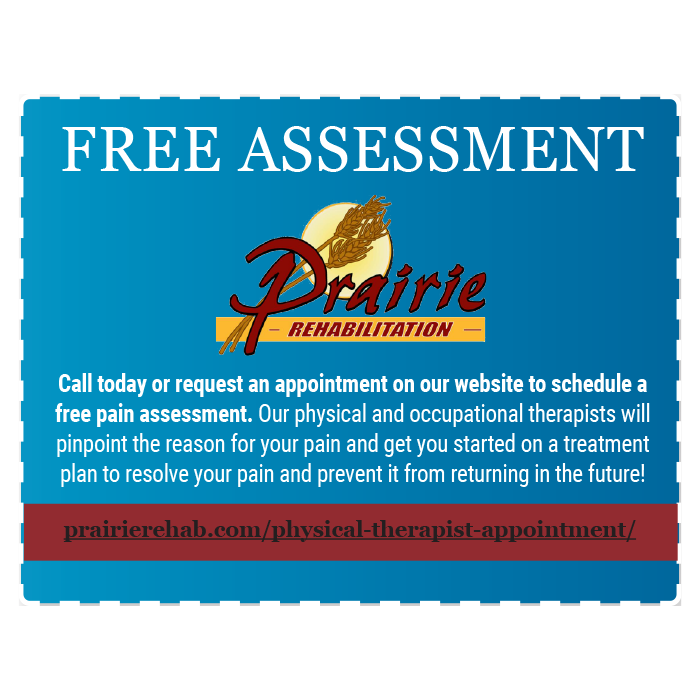
Expires 11/30/2025
Relief Through Dry Needling
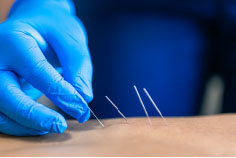
If you’re struggling with aches, strains, or persistent muscle tightness, dry needling may offer significant relief. This treatment targets painful musculoskeletal issues – everything from back and neck pain to tendonitis, sciatica, hip and knee trouble, headaches, and even fibromyalgia.
Dry needling involves a specially trained physical therapist inserting a thin sterile needle into trigger points in muscles, tendons, or ligaments to reduce tension and encourage healing. While sometimes people feel a brief “twitch response” or mild soreness afterward, many report little discomfort during treatment. The technique isn’t acupuncture, it’s based on research into neuromuscular and musculoskeletal healing.
At Prairie Rehabilitation, dry needling is often paired with exercise-based therapies, helping more patients reach their pain-free goals. If you’re curious whether this might help you, schedule an assessment to see if dry needling could fit into your recovery plan.
Don’t Let Your 2025 Insurance Benefits Go To Waste!
Take charge of your health today and make the most of your insurance benefits!
If you’ve already met your deductible this year or have funds left in your HSA account, you can take advantage of our remarkable opportunity at Prairie Rehabilitation. Don’t let these valuable benefits go unused!
Exercise of the Month
Bridging
(Glutes, Lower Back, Hamstrings)
Begin on your back. Bend your knees and keep your back flat on the ground. Gently, contract your abdominals and hold to keep your back flat as you move up into the bridge position. Remember to breathe. Gently, squeeze your butt muscles and lift your hips off the ground. The goal is to have your hips aligned with your knees and shoulders. Hold for 5 seconds. 3 Sets, 10 Reps.

Feel Better by Eating Better!
Juicy Baked Chicken Breast
- 4 (7 to 8 oz) boneless, skinless chicken breasts
- 2 tsp olive oil
- 1 tbsp chili powder
- 1 tsp parsley flakes
- 1/2 tsp salt
- 1/2 tsp black pepper
- 1/2 tsp garlic powder
- 1/2 tsp onion powder
- 1/2 tsp cumin
Pre heat oven to 425 degrees F. Line a baking sheet with foil and spray with non-stick spray. Place the chicken breasts between two sheets of parchment paper and pound to an even thickness. Drizzle both sides of chicken with olive oil. Combine seasonings and sprinkle generously over both sides of the chicken breasts. Bake for 20 minutes. Remove from oven and cover loosely with foil for 5 minutes before slicing.