

How Physical Therapy Helps You Avoid Surgery
When pain, stiffness, or mobility limitations begin to interfere with daily life, it is easy to assume that surgery is the only way out. But at Prairie Rehabilitation, we believe, and research supports, that physical therapy should often be the first line of defense.
By improving strength, mobility, posture, and function, PT can often relieve pain and restore quality of life, without incisions, anesthesia, or lengthy recovery.
Why Physical Therapy Is a Smart First Step
1. Non-invasive and Low Risk
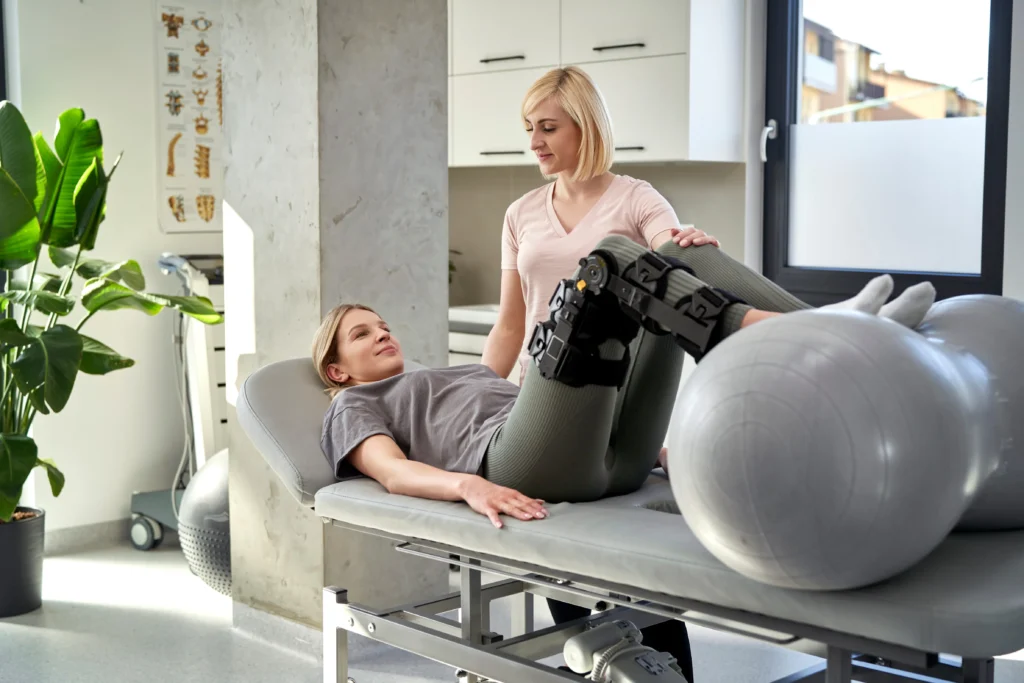
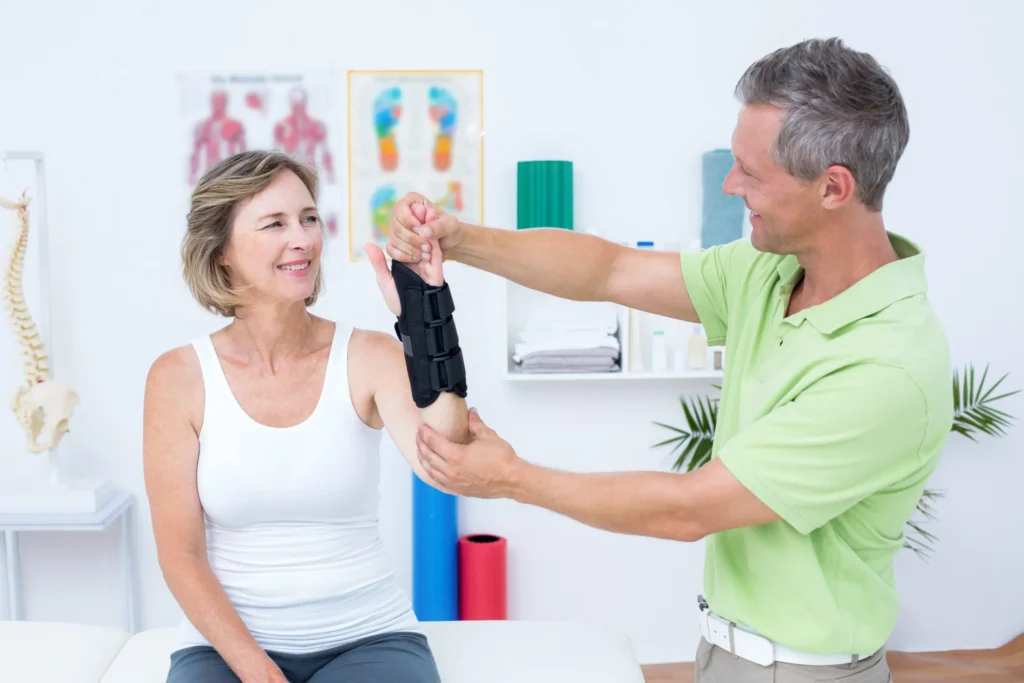
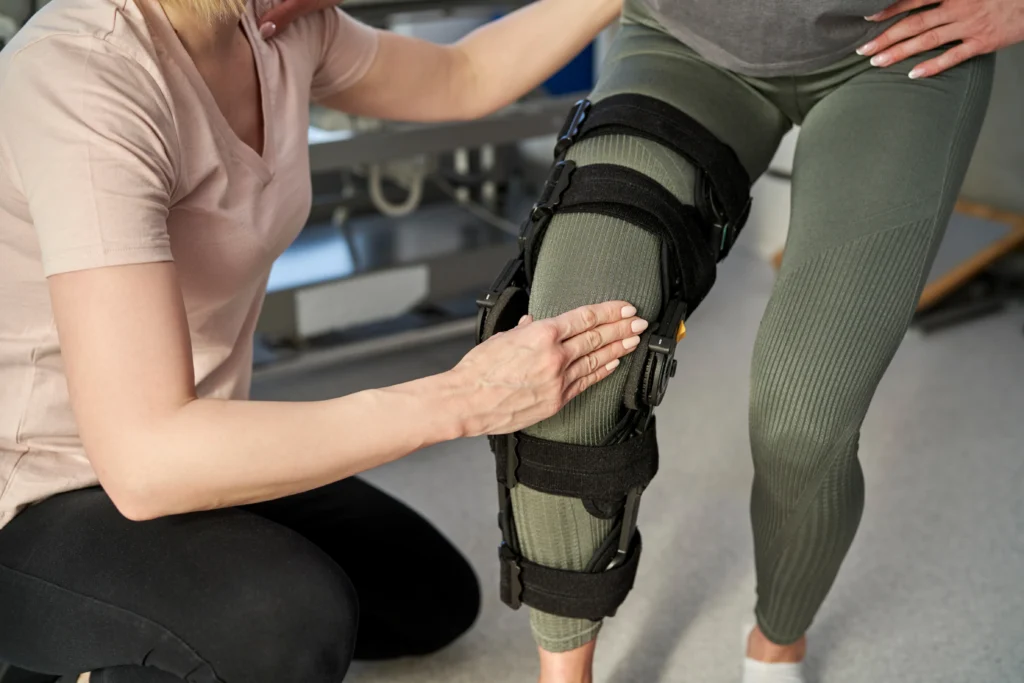
Surgery can be a powerful tool when needed, but it also involves real risks: surgery-related complications, anesthesia, infection, scar tissue, and extended recovery time. Physical therapy, by contrast, is conservative and natural. Instead of cutting or altering tissue, PT uses therapies like manual therapy, therapeutic exercise, joint mobilization, myofascial release, and modalities to relieve pain, restore movement, and improve overall function.
2. Correcting Movement, Posture, and Mechanics
Often, pain and injury are not just about “wear and tear,” but about how we move. Poor posture, weak stabilizing muscles, imbalanced gait, or improper joint loading can gradually lead to chronic pain in the back, hips, knees, shoulders, or other areas. Physical therapists are trained to analyze movement patterns, identify contributors to pain, and correct them through tailored therapy plans.
By improving posture, balance, and movement mechanics, PT helps relieve stress on joints and soft tissue, potentially warding off the need for future surgery.
3. Effective for Many Common Conditions
Physical therapy can reduce pain and improve function in a variety of conditions that often lead patients to consider surgery: degenerative joint problems (like knee osteoarthritis), minor to moderate tendon or soft-tissue injuries (like rotator cuff issues), back and neck pain (including early spinal changes), and other musculoskeletal disorders. In fact, for certain conditions such as mild to moderate spinal stenosis, supervised physical therapy has been shown to achieve similar outcomes to surgery over a one-year period, but without surgical risks.
4. Quicker Recovery and Better Long-term Results
Unlike surgery, which requires downtime and often weeks of limited mobility, physical therapy works gradually to restore mobility and strength; frequently allowing patients to continue many of their daily activities during treatment. Because PT focuses on restoring normal biomechanics and strengthening supporting muscles, outcomes are often lasting, potentially reducing the risk of future injuries or the need for successive surgeries.
Exercise of the Month
Threading the Needle
(Shoulders, Upper Back, Spine Rotation)
Start on your hands and knees in a tabletop position. Slide one arm underneath your body, palm facing up, allowing your shoulder and the side of your head to gently rest on the floor. Feel the stretch through your upper back and shoulders. Hold briefly, then return to the starting position and switch sides. 3 Sets, 30-Second hold each side. (Materials needed: floor mat)
When Surgery Might Still Be Needed
There are certain situations where surgery may remain the best or only option. For example:
- When there is significant structural damage (such as a large rotator cuff tear, severely degenerated joint, or a meniscus tear that causes mechanical block or joint locking) that cannot be resolved by strengthening or mobility work alone.
- When conservative treatment fails. For example, you’ve completed a full course of PT, committed to home exercises, yet pain persists or worsens.
- When nerve compression or neurological symptoms (persistent numbness, weakness, progressive nerve issues) are present, indicating possible nerve damage or structural compression, situations that often require surgical intervention.
That said, patients who undergo PT before surgery tend to recover more quickly, regain strength sooner, and have fewer complications than those who go straight to surgery.
Call Us Today
If you’re dealing with pain or mobility issues, consider physical therapy as your first line of defense. Some of the benefits – non-invasive care, lower risk, improved mechanics, long-lasting results, and potential cost savings – make PT a compelling option before considering surgery.
If you or a loved one are living with pain, stiffness, or limited mobility: give us a call at Prairie Rehabilitation. Let us help you explore a conservative, patient-centered path and get you back to doing what you love, without opening a single incision.
Sources: https://pubmed.ncbi.nlm.nih.gov/35820887/, https://news.umiamihealth.org/en/can-physicaltherapy-help-me-avoid-surgery/
FAQ: How Pre-Rehab and Post-Rehab Can Help If Surgery Is Needed
What is pre-rehab?
Pre-rehab, or preoperative rehabilitation, is physical therapy that occurs before surgery. Its goal is to strengthen muscles, improve joint mobility, and optimize overall physical condition so your body is better prepared for surgery and recovery.
What is post-rehab?
Post-rehab is physical therapy that begins after surgery to restore function, strength, and flexibility. It helps you return to your daily activities safely and reduces the likelihood of re-injury.
How are pre- and post-rehab connected?
Pre-rehab prepares your body for the stress of surgery, while post-rehab continues your recovery, building on the strength and mobility gained beforehand. Together, they create a comprehensive recovery plan that maximizes outcomes.
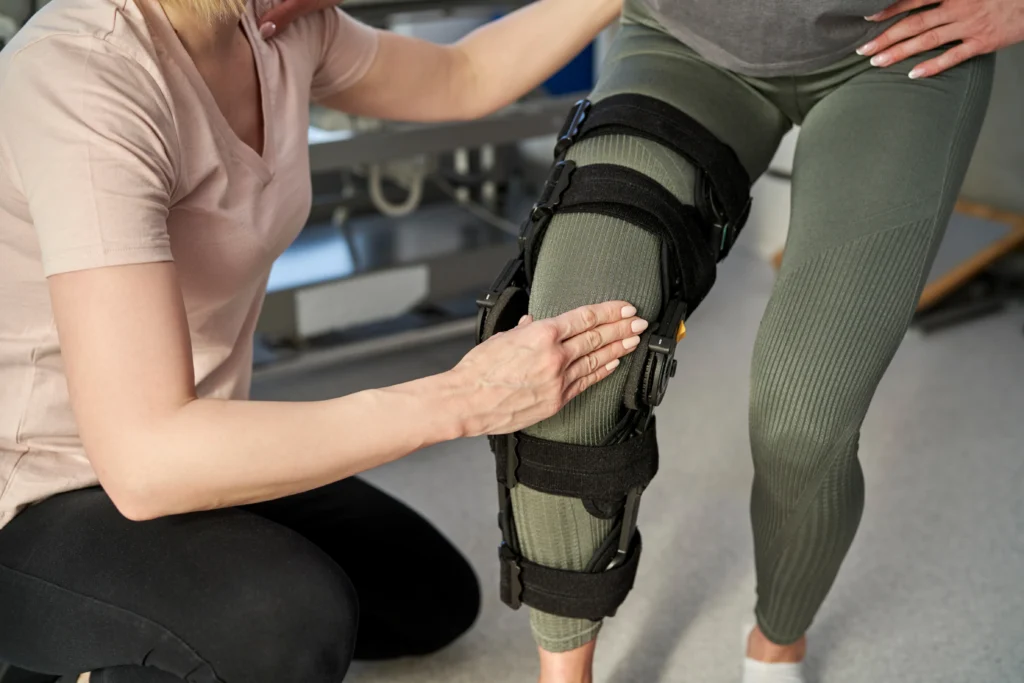
How do I know if pre- or post-rehab is right for me?
Your physical therapist will assess your condition, discuss your goals, and design a tailored plan. Most orthopedic and joint surgeries, including knee, hip, and shoulder procedures, benefit from both pre- and post-rehab.
How do I get started?
Contact Prairie Rehabilitation to schedule an evaluation. Our clinicians will guide you through a personalized plan to maximize your recovery, whether you’re preparing for surgery or healing afterward.
Start Strong, Stay Strong in 2026
This is the year you increase your strength and well-being. At Prairie Rehabilitation Services, we’re here to guide you every step of the way on your path to wellness this new year. Let us be your trusted partner in achieving your health and fitness goals.
If you are experiencing pain don’t wait, call today and schedule an appointment so we can assist you in getting back to the activities you enjoy — pain-free!
Healthy Recipe: Cinnamon Apple Bake
This warm, comforting dessert is packed with nutrients to support your recovery and overall health. Apples provide fiber and antioxidants, while cinnamon helps reduce inflammation – perfect for those on their physical therapy journey.
Ingredients:
- 4 apples, sliced
- 1 cup fresh cranberries
- 1 tablespoon maple syrup
- 1 teaspoon cinnamon
- 1 teaspoon vanilla
- Pinch of nutmeg
- Small handful of chopped walnuts or pecans
Instructions:
Heat the oven to 375°F. Toss the apple slices and cranberries in a bowl with maple syrup, cinnamon, vanilla, nutmeg, and lemon if using. Spread the mixture in a small baking dish. Sprinkle nuts on top. Bake for about 25 minutes until the apples are soft and the cranberries burst.

Let’s Get You Better As Soon As Possible!
At Prairie Rehabilitation, we believe in providing patient-centered care that focuses on your unique needs and goals. Our experienced team uses evidence-based approaches to help you achieve lasting results.
Scheduling an Appointment with Prairie Rehab is Easy!
You do not need a doctor’s prescription to seek physical therapy in the states of Minnesota & South Dakota. You have direct access to physical therapy.