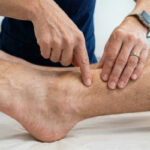


Solving Shoulder Pain: From Frozen Shoulder to Rotator Cuff Injuries
Shoulder pain is one of the most common complaints our patients bring to Prairie Rehabilitation, and rightfully so. It can limit your daily activities, disrupt sleep, and steal your independence. But the good news is: many shoulder problems respond very well to physical therapy. Here, we break down two of the most frequent shoulder conditions we treat – frozen shoulder and rotator cuff injuries – and explain how targeted rehab can help you get back to doing what you love.


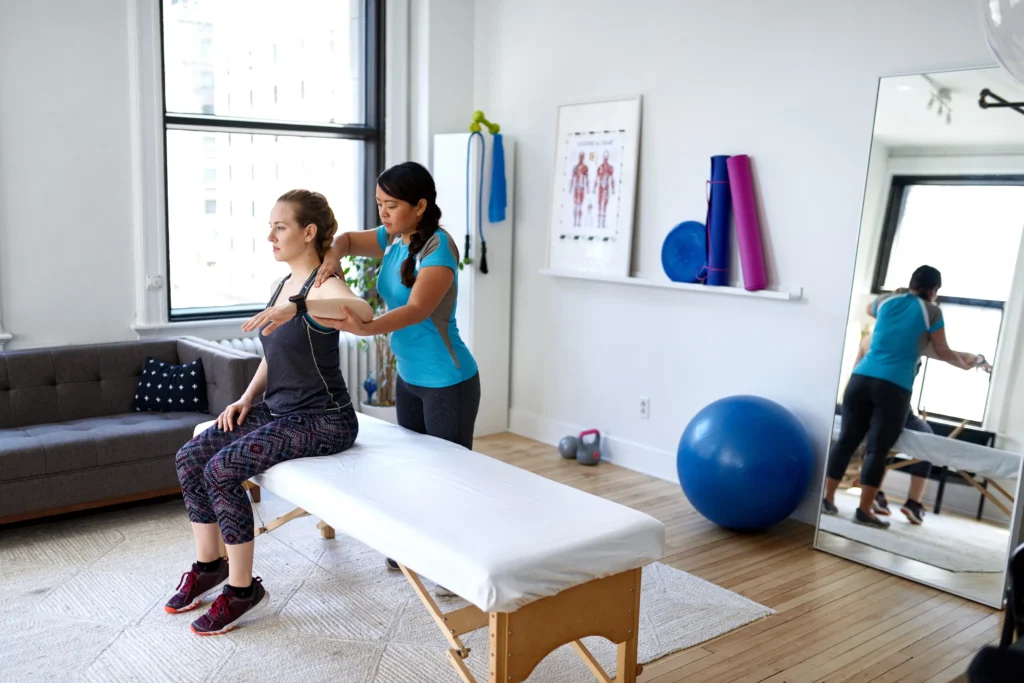
Understanding Frozen Shoulder
Frozen shoulder, technically known as adhesive capsulitis, is a condition in which the soft tissues surrounding the shoulder joint become inflamed and stiff. Over time, these tissues develop tight bands or adhesions, limiting how much the shoulder can move.
Full recovery from frozen shoulder can take several months to a couple of years, but the good news is that physical therapy is one of the most effective ways to restore mobility and ease pain.
Exercise of the Month
Dumbbell Front Raise
Materials needed: dumbbells
Stand tall with a dumbbell in each hand, arms resting in front of your thighs and palms facing your body. Keeping your arms straight (but not locked), slowly raise both arms in front of you to shoulder height. Pause briefly, then lower back down with control.
3 Sets, 10 Reps.
What About Rotator Cuff Injuries?
The rotator cuff is a group of muscles and tendons that surround the shoulder joint and help stabilize and move the arm. Injuries here often come from overuse (e.g., repetitive overhead activities) or sudden trauma.
Unlike frozen shoulder, which tends to restrict all movement, rotator cuff injuries often show up as sharp pain with specific movements, especially lifting or reaching. You may still be able to passively move the arm (when someone else moves it), but active lifting may be very difficult. Muscle weakness is a common feature because the injured tendons can’t generate force like they used to.
How Physical Therapy Helps
Regardless of whether it’s a frozen shoulder or a rotator cuff issue, physical therapy plays a central role in recovery, but the approach differs depending on the diagnosis.
- For frozen shoulder, therapy focuses first on gentle stretching to open up the joint capsule, then gradually transitions to strengthening. Manual therapy (hands-on techniques) from a skilled therapist can help break up scar tissue and restore mobility.
- For rotator cuff injuries, the goal is to restore muscle balance and neuromuscular control. Therapists often prescribe targeted strengthening exercises for the rotator cuff and surrounding stabilizers, as well as postural training.
In some cases, physical therapists may also use modalities (like heat before stretching or manual mobilizations) to reduce pain and improve tissue mobility.
Recovery Is a Journey, But One You Don’t Have to Walk Alone
One of the biggest challenges with shoulder recovery is patience. With consistent therapy, gentle progression, and professional guidance, most people regain significant motion and function.
At Prairie Rehabilitation, our therapists are skilled in evaluating the type of shoulder problem you have and tailoring a plan specifically for you, because no two shoulders are exactly the same. Whether you’re just starting to feel the first twinges of pain or struggling with limited motion for months, we’re here to help you unlock better mobility, reduce discomfort, and rebuild strength safely.
Safe Holiday Lifting Tips: Avoiding Back & Shoulder Strain
The holiday season brings joy, but it also brings boxes, decorations, and heavy bags – all of which can put your back and shoulders at risk if you’re not careful. Here are some practical tips to keep your body safe as you prepare for the celebrations.
1. Use Proper Form
Always bend your knees and hinge at your hips when lifting, not at your waist. This helps your large leg muscles do the heavy work instead of stressing your back.

2. Hold Close to Your Body
Keep the item you’re lifting as close to your trunk as possible. When it’s farther away, it creates more leverage and puts more strain on your shoulders and spine.
3. Don’t Overload Yourself
Take multiple trips with lighter loads instead of one trip with a heavy box. If something feels too heavy, ask for help.
4. Use Tools
Use dollies, carts, or lifting straps to move heavy decorations or packages. These tools reduce the effort needed and protect your joints.
5. Warm Up and Stretch
Before you start lifting, take a few minutes to warm up. Gentle stretches for your back, shoulders, and legs can prime your muscles and reduce injury risk.
6. Take Breaks
Give yourself regular breaks when decorating or lifting. Fatigue can lead to poor form, which increases your risk of strain.
Final Thought
Being careful now can help keep the holidays merry, not painful. If you do feel soreness, tightness, or discomfort in your back or shoulders, our physical therapists at Prairie Rehabilitation can help with targeted exercises and advice to get you through the season more safely.

Cinnamon Apple Bake
Ingredients
- 4 apples, sliced
- 1 cup fresh cranberries
- 1 tablespoon maple syrup
- 1 teaspoon cinnamon
- 1 teaspoon vanilla
- Pinch of nutmeg
- Small handful of chopped walnuts or pecans
- Optional: a squeeze of lemon
Steps
- Heat the oven to 375.
- Toss the apple slices and cranberries in a bowl with maple syrup, cinnamon, vanilla, nutmeg, and lemon if using.
- Spread the mixture in a small baking dish.
- Sprinkle nuts on top.
- Bake for about 25 minutes until the apples are soft and the cranberries burst.