
Understanding Text Neck Syndrome and Its Long-Term Effects
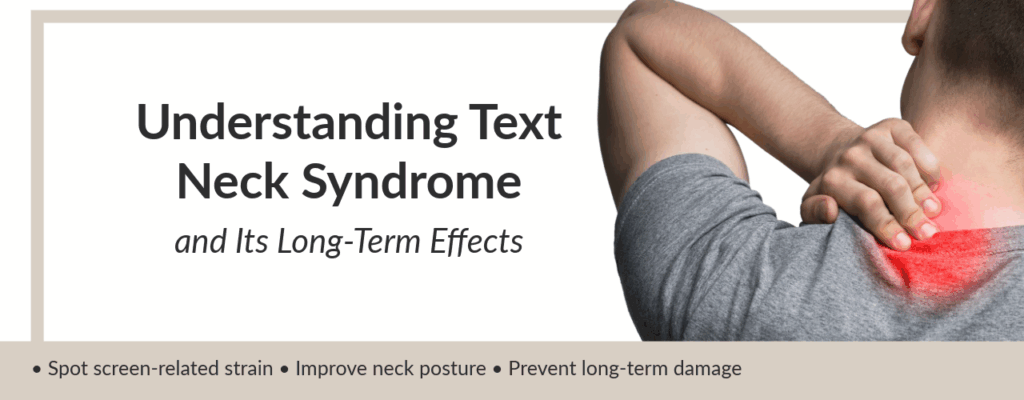
Modern life often means hours spent looking down at phones, tablets, and laptops. While convenient, this repetitive posture places extra stress on the neck and upper spine. Over time, this can lead to a condition known as text neck syndrome, which is becoming increasingly common in both young adults and older populations. Understanding how this condition develops, the long-term consequences, and the role of physical therapy can help patients take meaningful steps toward prevention and recovery.
How Forward Head Posture Impacts the Spine
The human head weighs about 10 to 12 pounds in a neutral position. When the head tilts forward to look at a screen, that weight multiplies, placing much greater strain on the neck and shoulders. Muscles tighten to compensate, spinal discs absorb additional stress, and ligaments can stretch beyond their normal range.
This forward head posture, repeated daily, is what leads to text neck syndrome. The more time spent in this position, the greater the stress placed on the body.
Common Signs That Point to Text Neck Syndrome
Patients often describe a combination of discomfort and functional limitations when dealing with text neck syndrome. Some of the most common signs include:
- A persistent ache or stiffness in the neck and shoulders
- Headaches that worsen after long periods of screen use
- Reduced range of motion when turning the head
- Tingling or numbness in the arms or hands due to nerve irritation
- Fatigue in the upper back after working at a desk or looking at a phone
These symptoms often start gradually and worsen over time if not addressed. Early recognition is key to preventing long-term problems.
Why Long-Term Effects Should Not Be Ignored
While short-term discomfort is common, the bigger concern is what happens when these habits continue for months or years. Prolonged forward head posture can lead to:
- Increased wear on spinal discs, which raises the risk of herniation
- Muscle imbalances that make posture correction harder over time
- Chronic headaches from ongoing neck and shoulder tension
- Reduced lung capacity due to compressed chest positioning
- A greater likelihood of developing early degenerative changes in the cervical spine
The longer text neck syndrome is left untreated, the more likely these complications become. That is why early, proactive care is so valuable.
How Physical Therapy Addresses the Problem
Physical therapy provides evidence-based tools to both treat symptoms and correct the underlying mechanics. A personalized program may include:
- Strengthening exercises for the neck, shoulders, and upper back to restore muscular balance
- Stretching techniques that target tight muscles, improving flexibility and mobility
- Postural retraining to help patients recognize and maintain healthier positions during daily activities
- Manual therapy to relieve stiffness and improve joint movement
- Education on ergonomics for workstation setup, phone use, and screen habits
By combining these approaches, therapy not only reduces discomfort but also prevents long-term effects from developing.
Patient-Friendly Takeaways
The most important message for patients is that text neck syndrome is both preventable and treatable. Small changes (e.g., adjusting screen height, taking movement breaks, and performing targeted exercises) can dramatically reduce strain on the neck. Physical therapy ensures these strategies are tailored to the patient’s body and lifestyle, making them more effective and sustainable.
Patients who address the issue early often see improvements in both comfort and posture, while those who wait may face more chronic challenges. Acting sooner provides the best chance for lasting relief.
Moving Forward With Stronger Posture and Better Health
Neck pain related to screen use is becoming more common, but it does not have to become a permanent part of life. With the right care, patients can restore strength, improve posture, and reduce the risk of long-term complications.
At Prairie Rehabilitation, our therapists specialize in treating conditions like text neck syndrome with personalized, evidence-based care. We combine hands-on treatment, targeted exercise, and education to help you move more comfortably and confidently.
Contact Prairie Rehabilitation today to schedule your evaluation and take the first step toward better posture and long-term spinal health.